
Are You Breaking Singapore Drone Laws Without Knowing?

Updated: Feb 5

Every weekend, drones zip through Singapore's skies. Some drone operators know what they're doing, but many—possibly including you—might not realize you're breaking the law. Drone laws are complex, and you may not realize that you need permits and licenses. Additionally, some areas are entirely prohibited for drone use.
What Are the Latest Drone Laws in Singapore 2025?
Drones are increasingly regulated in Singapore. The Civil Aviation Authority of Singapore (CAAS) controls all drone activities, whether you are flying for fun or as a business. The significant change for 2025? Since December 1st, all unmanned aircraft weighing more than 250 grams require Broadcast Remote Identification (B-RID). This acts like a digital license plate, transmitting your drone's location, serial number, and operator information.
Drone legislation in Singapore is equal opportunity. Whether you're a Singaporean, PR, or foreign visitor, the rules apply to you the same way. No matter if you are a recreational drone pilot, a commercial drone operator, or a professional, there are no exceptions based on nationality.
Key Registration Requirements
Here's what you need to know about drone laws in Singapore. Any drone over 250 grams must be registered with CAAS. The registration label costs $25, and you must affix this number visibly on your drone. You can click here to see where to purchase the registration label.
Understanding Permits and Operator Requirements
Before operating a drone in Singapore, it is essential to understand the difference between registration and permits. Registration is straightforward; just buy a label and affix it. Permits, however, vary significantly based on the specific activities you plan to perform.
The good news is that you do not require an activity permit if your drone weighs under 7 kilograms, you fly below 60 meters above mean sea level, you stay out of restricted areas, and you keep the drone within your visual line of sight. However, many people go wrong here. You might think you can fly anywhere within these limitations, but that's not the case. There are restricted no-fly zones around airports, military installations, Parliament House, and the Istana.
Weight Classifications and Requirements
If your drone weighs more than 1.5 kilograms and you plan to fly at public events with over 50 people, you will need a UA Basic Training Certificate. For UAVs over 7 kilograms, a full UA Pilot License (UAPL) is required. Conducting commercial drone operations involves a combination of an Operator Permit and a Class 1 Activity Permit. You might think all you need to do is register a commercial drone and fly it, but that’s incorrect. CAAS must certify and approve commercial drone flying separately.
Your flying area is crucial. Recreational flying is limited to 60 meters or less. Anything above that requires permission. Remember to keep your drone in your line of sight at all times, without using FPV goggles, and avoid letting it fly out of view.
How Much Is the Fine for Illegal Drone Flying in Singapore?
The fines for violating drone laws in Singapore are incredibly high. Flying an unregistered drone, operating without a permit, or flying in restricted areas can result in penalties of up to $50,000. In severe cases, you may face up to two years in prison, a fine, or both. The courts take these violations seriously.
You could easily face the same consequences. For example, one tourist was fined $12,000 for flying near Marina Bay. Another drone operator received a $51,000 penalty for flying into an Air Force runway's flight path, forcing aircraft diversions. These aren't isolated incidents. CAAS handled 309 cases of unlawful drone use in 2023 alone. Many people lost their registered drones, paid substantial fines, or both.
Penalties increase if your drone interferes with aviation activity, transports hazardous cargo, or intrudes on people. Flying drones at major events, such as the National Day Parade, without permission incurs even harsher penalties.
Do Singapore Drone Laws Apply to Foreigners?
Yes, they absolutely do. The laws governing drones in Singapore apply to all individuals who operate drones in the country, regardless of citizenship. Visiting foreigners can fly drones, but they must be registered and comply with all CAAS rules. The only difference is that foreign visitors can obtain only one registration label instead of five.
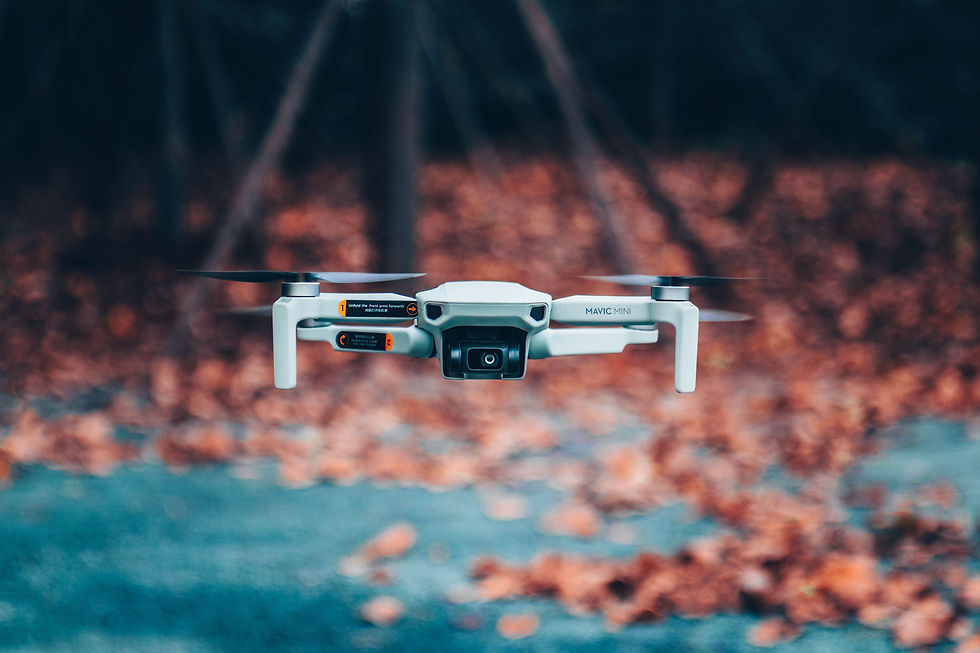
Foreigners still need the same permits, training certificates, and operator licenses as residents. You could learn this the hard way—just like a recent tourist who was fined. If you fly a DJI Mini or similar drone without proper permits, you’ll receive the same fines. Claiming ignorance of local laws offers zero legal protection.
If you're bringing your drone to Singapore, familiarize yourself with the CAAS regulations before you arrive. The consequences simply aren’t worth the risk.
How We Can Help You Fly Legally
At WetheFlyers, we understand how overwhelming Singapore's drone regulations can feel. That's why our operation centers around proper compliance and licensed flying. Our CAAS-certified pilots manage all the intricate requirements, permissions, and aviation safety regulations. Whether you need professional aerial drone photography for your real estate, commercial drone videography for your company, or high-quality 8K drone photography, we handle all aspects—permits, drone flight planning, drone safety, drone editing, and drone delivery.
We also offer in-depth aerial drone services, including drone inspections and aerial surveys. All projects adhere to CAAS regulations. By working with licensed professionals, you can avoid fines, penalties, and legal headaches. We have invested in the appropriate qualifications and ensure that all Singapore regulations regarding drones are strictly followed.
Stay Compliant, Stay Safe
Knowledge of Singapore drone laws is not optional; it is a necessity. Regulations remain unchanged whether you are flying for leisure or business. Register your drone, obtain necessary permits, observe height restrictions, and stay out of restricted areas. The fine of $50,000 is indeed not worth cutting corners.
Conclusion: Take Flight Responsibly
In conclusion, understanding and adhering to Singapore's drone laws is crucial for anyone looking to operate a drone in the region. The regulations are in place to ensure safety and compliance, and ignorance is not an excuse. By staying informed and working with professionals, you can enjoy the benefits of aerial media without the risk of hefty fines or legal troubles. So, are you ready to take flight responsibly?


Comments